Aristide Maillol
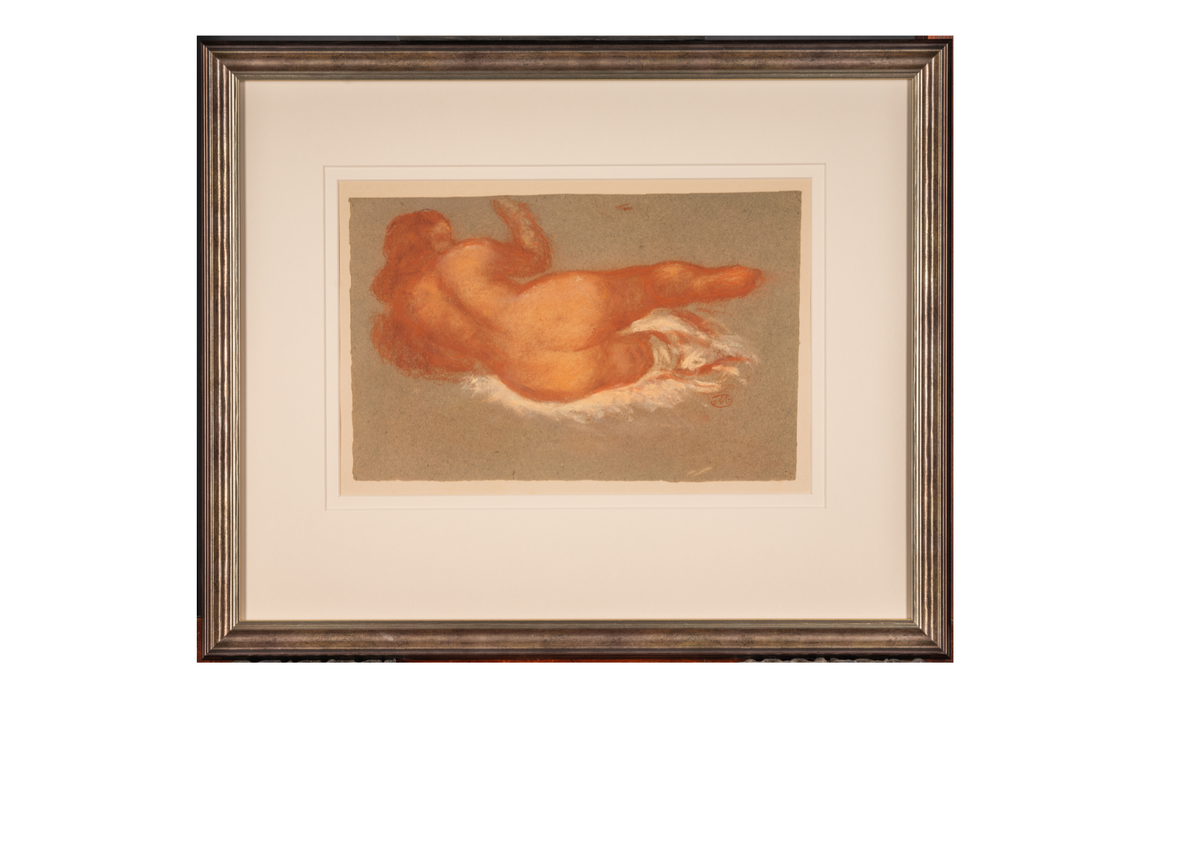
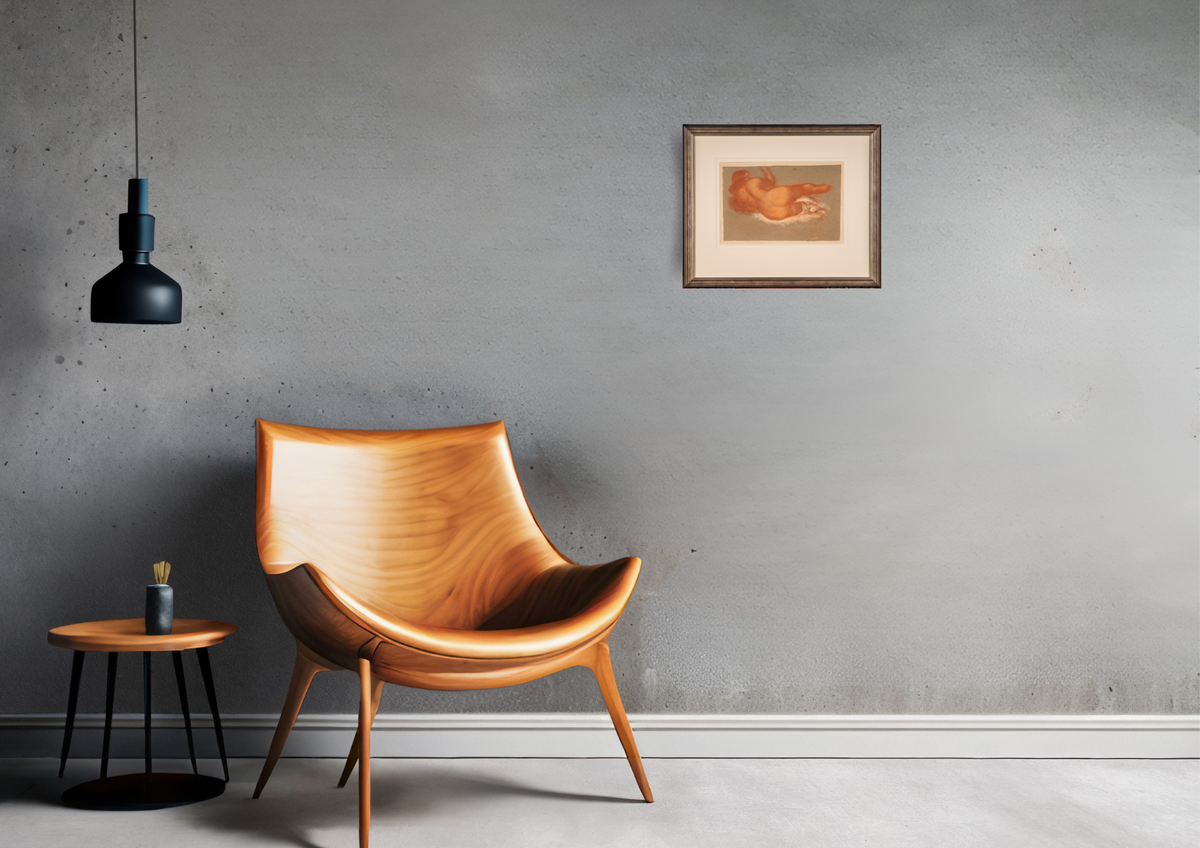
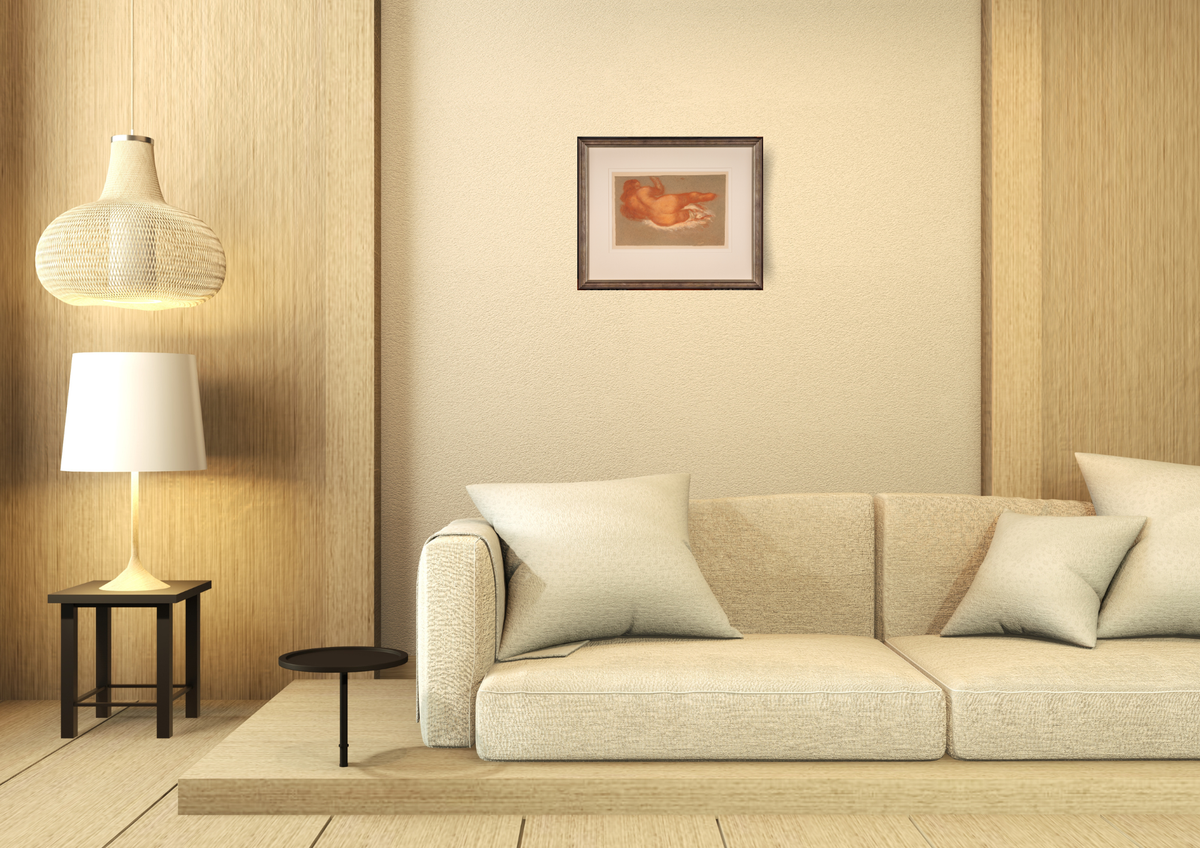
Pastel Drawing of a Lying Down Nude
Pastel Drawing of a Lying Down Nude
 Date Created Early 20th Century (exact date unknown)
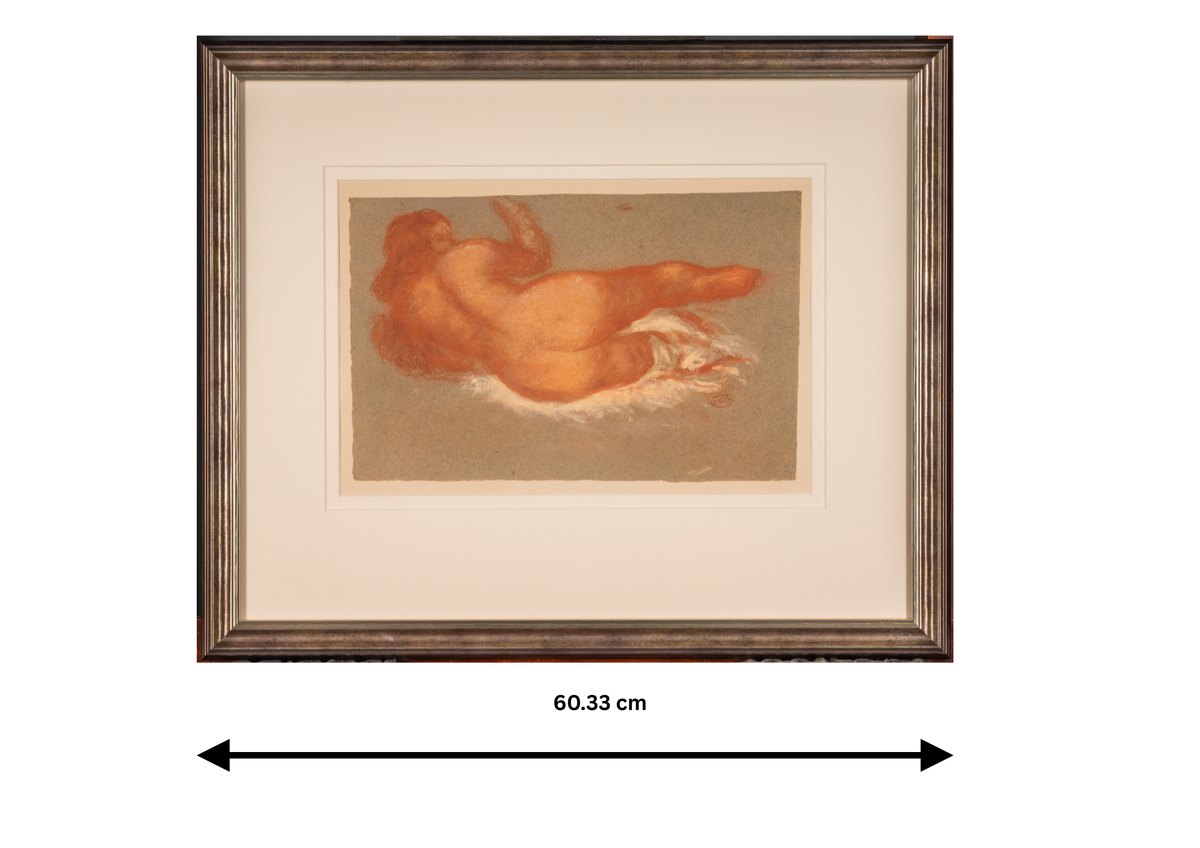
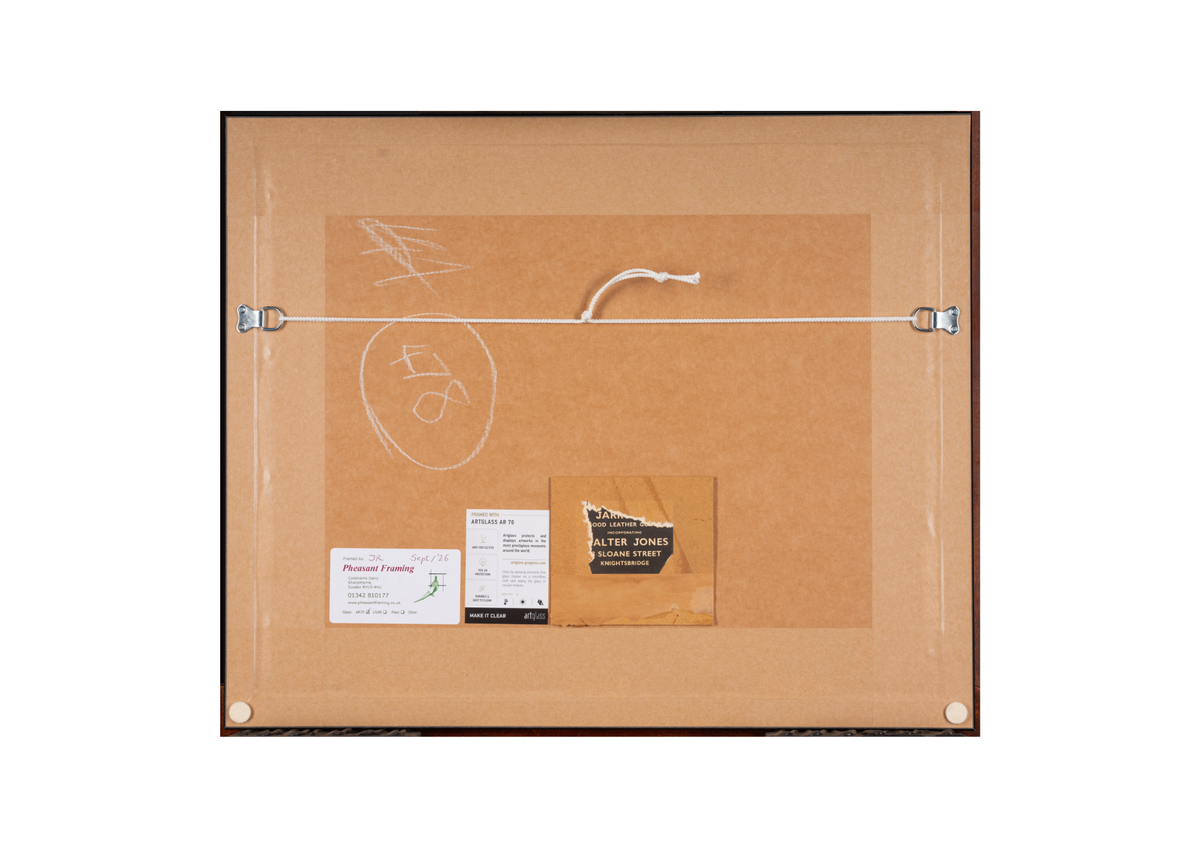
 Size with Frame


Aristide Joseph Bonaventure Maillol (8 December 1861 – 27 September 1944) was a seminal French Catalan sculptor, painter, and printmaker whose serene, balanced approach to the human form radically redirected the course of early 20th-century European sculpture. By rejecting the raw emotionalism and textured surfaces of his contemporary Auguste Rodin, Maillol pioneered a modernist return to classical Greek and Roman structural ideals, celebrated for their geometric harmony, smooth modeling, and monumental mass.
Maillol was born in Banyuls-sur-Mer, a small Catalan port town nestled at the foot of the Pyrenees near the Spanish border. The son of a vineyard owner and cloth merchant, he grew up with little artistic background but possessed an unwavering drive to create.
In 1881, backed by financial support from his aunt, he moved to Paris to pursue painting. He gained admission to the prestigious École des Beaux-Arts in 1885, where he studied under academic masters Jean-Léon Gérôme and Alexandre Cabanel. Despite this traditional schooling, Maillol found his true inspiration elsewhere. He was deeply moved by the flat, symbolic work of Pierre Puvis de Chavannes and Paul Gauguin, which led him to align with Les Nabis, a post-impressionist group of artists focused on decorative patterning and flat planes of colour.
During the 1890s, Maillol shifted his primary focus from canvas to decorative arts. In 1893, he established a textile and tapestry-weaving workshop back in his native Banyuls-sur-Mer. He hired local women to work the looms, including Clotilde Narcis, whom he married in 1896. Clotilde became his first major muse, the mother of his only son, Lucien, and the model for many of his early figures.
However, around the age of 40, Maillol began suffering from a severe, degenerative eye disease brought on by the intense strain of weaving. Forced to abandon textile arts entirely, he turned his full attention to a less visually microscopic, more tactile medium: sculpture.
Maillol’s transition to sculpture was immediate and monumental. He began working primarily with clay and terracotta before transitioning to bronze and marble. While his peers were imitating Rodin's dramatic, deeply fractured surfaces, Maillol pursued a philosophy of pure form, stability, and absolute simplification.
- The Female Nude: Maillol restricted almost his entire sculptural oeuvre to the female nude, using it not for eroticism, but as a universal landscape to explore proportion, volume, and calm geometry.
- La Méditerranée (1902–1905): His breakthrough came with this seated female figure. Exhibited at the 1905 Salon d'Automne, its smooth contours and absolute lack of dramatic narrative or excess detail won him widespread critical acclaim and established him as a master.
- International Patronage: In 1905, Auguste Rodin introduced Maillol to the influential German diplomat and collector Count Harry Kessler. Kessler became a critical patron, funding Maillol's career and taking him on a transformative trip to Greece in 1908 to study classical antiquity firsthand. Other prominent global collectors, such as Russia's Ivan Morozov, soon commissioned major sets of his work (including Summer and Flora).
In 1934, at the age of 73, Maillol met Dina Vierny, a 15-year-old girl who bore a striking resemblance to the robust, classical figures Maillol had been sculpting for decades. Vierny became his ultimate muse, model, and close friend for the final decade of his life. She posed for his final masterpiece, The River (1938–1943), a dynamic yet inherently stable bronze depiction of a tumbling female form.
During World War II, Maillol retreated to the relative isolation of Banyuls-sur-Mer to continue working. On 27 September 1944, while returning home from a visit to his close friend, the painter Raoul Dufy, Maillol was involved in a severe car accident. He died from his injuries at the age of 82 in the very town where he was born.
Following his death, Dina Vierny dedicated her life to preserving his memory. She established the Musée Maillol in Paris (opened in 1995), as well as a museum at his former farm in Banyuls-sur-Mer. Today, Maillol's monumental bronzes stand as anchors of modern art history, permanently installed in open-air spaces like Paris's Tuileries Garden, and housed within top-tier institutions worldwide, including the Museum of Modern Art (MoMA) and the Metropolitan Museum of Art.
This pastel drawing is signed by way of Monogram which is the method Maillol used throughout his career, there are very few exceptions where he signed his name in full, this monogram was used in his sculpture and stamped by his founders into the wax before the bronze was poured. this drawing is very similar to the two sculptures at the entrance steps to the Getty Museum in California. The exact date of this pastel is currently unknown, however should we be able to give a date to this work we shall amend this brief biography at some point.